22.11 – 06.12.2025 | ОNLINE

“We Have the Right to Everything That People Need”: How HIV Activism Unites Different Areas of Human Rights Work
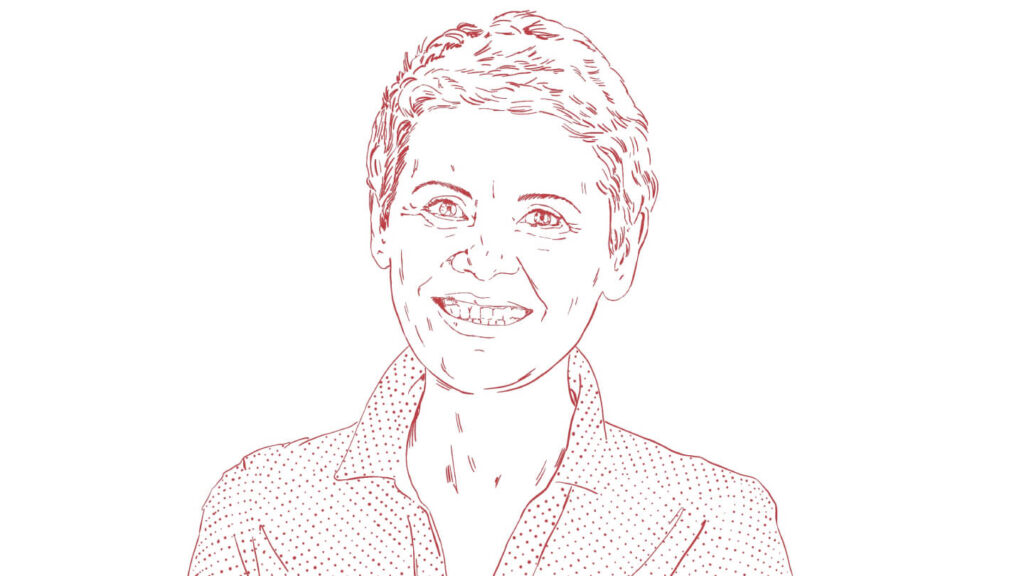
Nataliia Torlina, a regional coordinator of the public organisation Positive Women of Kryvyi Rih, told Yana Dzyga, a member of the Filma collective, about her HIV activism and human rights work.
This year, our festival had a programme dedicated to HIV activism. We know that you were very interested in it, and we would like to understand how you became involved in HIV activism and later work in the HIV service sector.
Thank you for this question; it is very important to me. I have been working in this field for approximately 13 years, since 2008. When I found out about my HIV-positive status, and then about my child’s status, I felt completely alone. My near and dear ones cried and sympathised, but I did not need pity — I needed action and understanding. Thus, I began looking for people with similar experiences and came across the organisation Ukrainian Network of People Living with HIV/AIDS, which is now called 100% Life. At first, I came there as a client, and later I was offered a position as a social worker. I realised that when I share my fears, pain, and victories, it becomes easier for others — and for me as well. In 2016, we organised an action where I stood with a poster as a woman living with HIV who needs support. My daughters were with me; they also held posters saying, “My mother lives with HIV, and we support her.” That was how my activism began.
How has HIV activism changed since you joined it?
When we first began to open up and talk about ourselves, acknowledging that we are no different from anyone else, it was extremely difficult. We said that we have the right to health, education, privacy, and business. We have the right to everything that people need.
After we started speaking about violations of the rights of people living with HIV — primarily women — in healthcare, families, and communities, attitudes began to change. Society is no longer as afraid as it once was, and women living with HIV have become more confident in standing up for their rights. At the same time, the medical sector remains the most challenging. We still document refusals of services to women with HIV, disrespect, and breaches of confidentiality. That is why we run training sessions for medical professionals, and quite often, we manage to reach their hearts and their professional ethics.

What changes in knowledge about HIV and levels of stigma have you observed?
Young people are far more informed than they were 15 years ago. My older children have a completely different attitude towards HIV compared to people of my generation, and they pass this knowledge on to their friends — just like the children of our clients and colleagues.
At the same time, stigma has not disappeared. My son in Poland was dismissed from his job simply because he once told his employer, “I need to take a pill. It’s vital.” The employer insisted that he take it later, but after my son disclosed his status, he was shown the door. Information leaks still occur in secondary schools. Nurses or social services disclose children’s status without the consent of their parents. This is a direct violation of the law and of children’s rights, and it traumatises children far more than the fact of having HIV itself.
When we educate women and teenagers, the first thing we explain is that therapy makes a person safe. However, we must repeat this time and again, because the number of harmful myths remains enormous.
That is why it is necessary to continue this educational and information work.
Yes, especially because the epidemic is gaining even greater momentum because of the full-scale invasion. Many military personnel are returning home with HIV. In addition, the state mobilises people living with HIV, although there are serious doubts about whether they can receive antiretroviral therapy on the front line in a timely and proper manner.
That is not all. When people in a unit find out, for example, that someone they know is living with HIV, they begin to fear being infected — I know this firsthand. People with HIV in the military say, “We can only rely on ourselves. If I get injured, no one will bandage me.”

What prompted you to expand your work beyond HIV activism? What areas are you working in now?
Our women face not only stigma related to HIV. Many of them live in a cycle of domestic violence. “It’s your fault” is still the most common thing they hear. That is why we had to move into human rights work. Women come to us saying, “I’m being accused of infecting others, humiliated, controlled.”
Our team includes a paralegal who accompanies women to police, social services, and medical institutions, representing their interests and rights to protection.
Our work has expanded: now we support not only women living with HIV, but also survivors of gender-based violence, internally displaced women, women aged 65+, and women with disabilities.
We run self-help groups, psychological sessions, and information meetings. Our clients are “hungry” for live communication and for peer-to-peer support. We have a separate children’s room because mothers often attend the groups with their children. A teacher-methodologist who volunteered to help joined us; she is now retired. From January, we are launching another workshop on professional self-determination: we will help women living with HIV overcome internalised stigma, find their own path in business, and feel supported.
In reality, there are only three of us in the organisation — a paralegal, a psychologist, and I as coordinator — but we represent the interests of women everywhere.
In addition, we have finally realised a dream that was born back in the 2010s: we opened a safe space — a place where a person living with HIV can come, be accepted, be heard, and not feel stigma or judgement. When we finally found the premises and completed the renovation, the first thing we bought was… poufs. Because the space should feel like a home, not an office.

Do you work with families, teenagers, and children’s cases? Have you encountered HIV-positive queer people?
Yes, we work with both children and teenagers. We plan to create groups for teenagers living with HIV. A separate issue is how to disclose a child’s status to them. I told my son the truth when he was six years old. It is important that a child does not develop internalised stigma. We also work with bullying related to HIV status. Often, the cause is the disclosure of confidential information: a child may tell a friend, or a nurse may tell a teacher. This ruins children’s lives.
I once worked with gay and transgender people living with HIV. Now there are almost no such cases in the region, but our organisation is open to everyone, regardless of identity.
What would you say about the festival’s HIV activist programme?
Everything is very interesting and necessary. I constantly shared what impressed me in our activists’ chat. The women always look forward to the materials I send. It is part of our educational work.